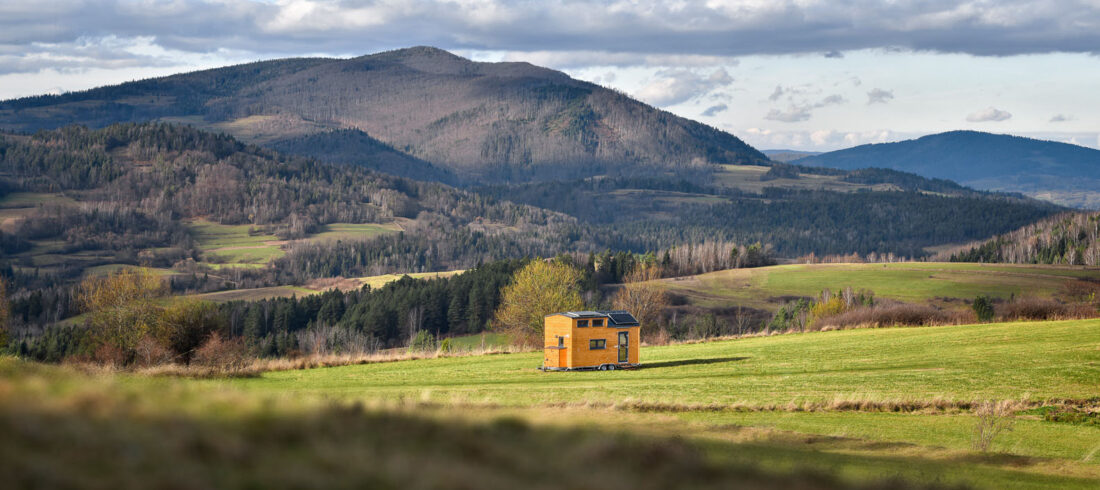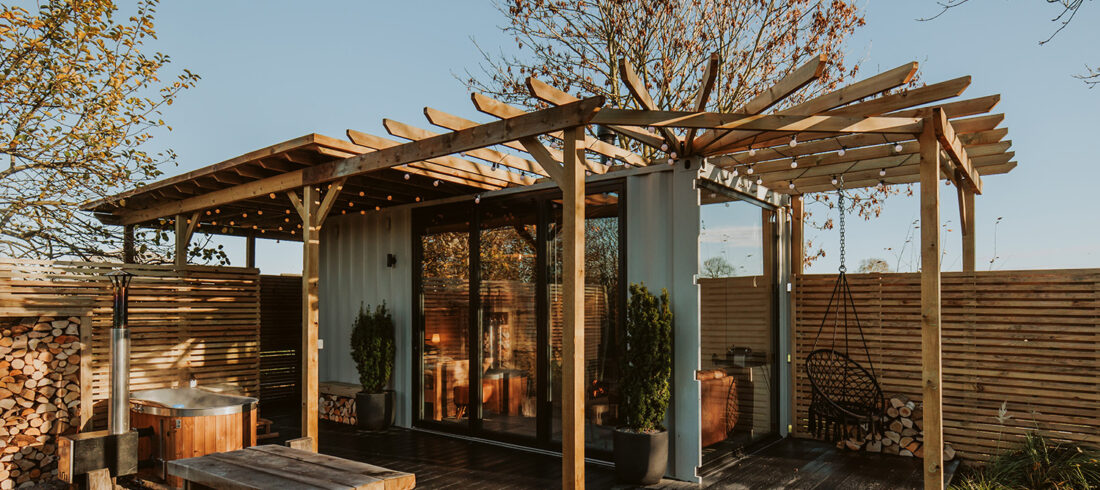

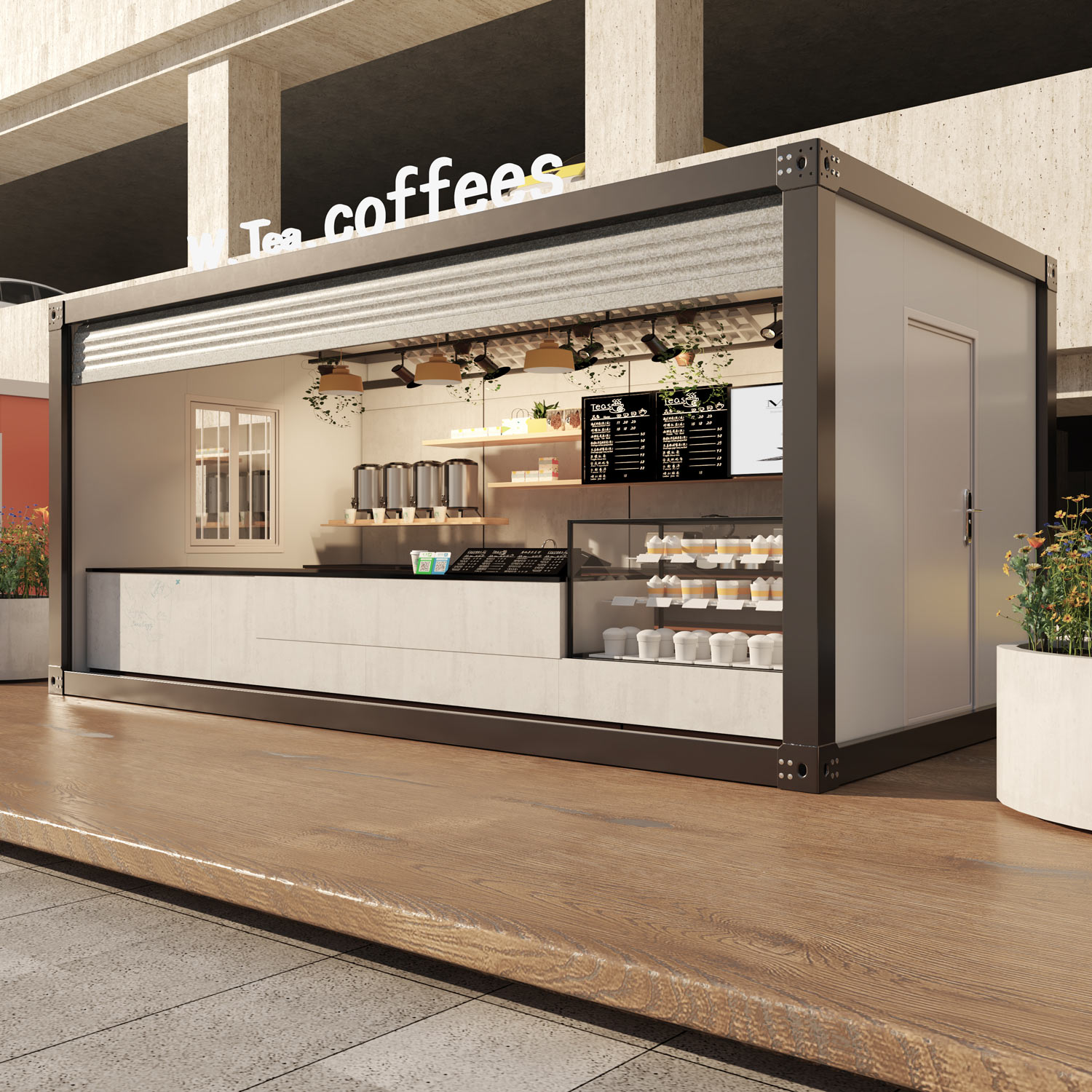
Are you dreaming of a life where your morning view isn’t a concrete car park but rolling hills or idyllic woodlands? You’re not alone in this yearning, and that’s precisely why tiny home communities in the UK are flourishing.
The tiny house movement isn’t about downsizing your living space. It’s about upsizing your quality of life. It’s about swapping mortgage stress for morning bird songs, trading rush hour for the magic hour, and replacing transactional culture with real connections.
But here’s the thing that holds some people back from their dream: making this kind of radical lifestyle shift can feel overwhelming without the right support network.
That’s where both physical and online communities become your lifeline, offering everything from practical advice to emotional support as you navigate the sometimes challenging, often beautiful, journey toward a new chapter in one of the UK’s self-sustainable living communities.
We’re here to dive into the help that’s available to make your transition to off-grid living a smoother, simpler experience.
The Magic of Physical Tiny Home Communities
Across the UK, growing numbers of like-minded souls are creating off-grid communities that feel more like extended families than disconnected neighbours. These aren’t just collections of tiny houses scattered randomly across the land; they’re tightly-woven ecosystems where people share resources, sharpen their skills, and look out for one another.
Take the growing number of off grid communities in the UK that are sprouting up — spread across every corner of rural England, rugged Scotland, and verdant Wales. In these spaces, you can expect to find people who:
- Teach priceless gardening techniques.
- Share expertise in collecting rainwater.
- Run workshops on the do’s and dont’s of requesting planning permission.
- Lead meditation sessions under the canopy of centuries-old oak trees.
Much More Than Just ‘Neighbours’
These physical, self-sustainable communities offer something precious that our isolated modern world has started to forget — genuine interdependence. When you need help with energy solutions, your neighbour pitches in. If you’re struggling with the emotional weight of leaving mainstream society behind, the community is there to rally behind you.
It’s mutual support in its purest form, similar in many ways to how we lived in the millennia preceding the soot-stained chimney stacks of industrialisation. Before we convinced ourselves that living off the land independently somehow meant isolation. It didn’t then and it doesn’t have to now.
The Practical Benefits
The practical benefits of living in an off-grid community are substantial, offering not just cost savings, but a more empowered and connected lifestyle. These communities combine resourcefulness with resilience, creating an environment where individuals thrive together.
You can expect:
Shared Resources: Tiny home communities often pool funds to bulk-purchase essential items like solar batteries, water purification systems, and building supplies, significantly lowering individual costs. Communal workshops are typically equipped with a wide range of tools — from power drills to 3D printers — available to everyone, eliminating the need for personal ownership of expensive equipment. Some communities even co-own vehicles, reducing the need for every household to maintain their own car.
Reduced Living Expenses: Many off-grid communities in the UK report drastically lower monthly outgoings. With shared heating systems, solar power, homegrown food, and minimal rent or mortgage costs, it’s not uncommon for residents to live comfortably on a fraction of their previous urban budget. Some members find they only need part-time work to sustain their lifestyle, freeing up time for creative or personal pursuits.
Skill Sharing: Rather than paying professionals for every service — plumbing, electrical work, gardening, or digital design — community members trade skills. Need your roof repaired? There’s likely someone nearby who can help. Want to learn how to grow your own food or wire a solar inverter? You’ll have access to a knowledge base that would cost thousands in consultancy fees in the city.
Emergency Resilience: Off-grid communities are naturally more self-sufficient. Whether it’s a power outage, fuel shortage, or supply chain disruption, these communities are better prepared. With food gardens, renewable energy systems, and mutual aid, they’re less dependent on external systems and more capable of adapting to change.
But perhaps most importantly, these communities offer something money can’t buy — the sense of belonging that comes from choosing a family based on shared values, cooperation, and mutual respect, rather than mere geography. In a world that often feels isolating, off-grid living fosters real human connection and purpose.
.
The Emotional Landscape of Going Off-Grid
Allow us to be real for a minute about something that isn’t always discussed — the transition to self-sustainable living communities can be challenging for some. As with any big lifestyle shift, there could be days when the romance of off-grid meets the reality of a broken water pump or unreliable internet.
364 days of life on your terms might not make the one day of the year where things don’t seem to be working out feel radically better. However, a support network of experienced off-gridders can make the transition much easier.
Here’s how:
Community Support Makes All the Difference
This is where physical community becomes not just helpful, but essential. In off-grid living, there will be challenges — from technical hiccups to emotional lows — and having neighbours who’ve already weathered those storms can make all the difference. They can offer practical solutions like how to fix a water pump in the middle of winter, or which local supplier won’t rip you off, but just as importantly, they provide emotional reassurance: You’re not the first to feel overwhelmed, and you won’t be the last.
It’s the difference between struggling alone and growing together.
In well-established off-grid communities, you’ll often find informal mentorship networks — newer members naturally gravitate toward those with more experience. Some communities even have welcome processes where newcomers are paired with long-term residents for support during their transition. These relationships often evolve into genuine friendships, grounded in shared values and the day-to-day rhythms of mutual support — from helping build a greenhouse to simply sharing a cup of tea on a hard day.
In a world where many people don’t know their next-door neighbours, these kinds of bonds are rare — and deeply nourishing.
Bridging the Gap: Online Communities as Your Digital Village
Not everyone can immediately pack up their belongings and join a tiny home community. Maybe you’re still in the planning phases, working through the decision with family, or figuring out the financial aspect of the switch. Perhaps the best off grid communities in the UK are too far from your current home to easily visit.
This is where the online community becomes absolutely crucial, serving as your digital village during the transition period and beyond.
Why Online Communities Matter
These groups can bridge the gap between your current life and your tiny house dreams. They offer support, share tips, and provide connections that don’t rely on proximity.
The beauty of online tiny home communities in the UK lies in their accessibility and diversity. Whether you’re a complete beginner asking basic questions about composting toilets or an experienced off-gridder looking for advice on advanced solar setups, there’s a place for your voice.
24/7 Support When You Need It
Because these digital spaces are dotted across the globe, they can buzz with activity at all hours of the day. This is perfect when you want to pose questions directly to the people who truly understand the process.
Examples of what you can find in these spaces include:
- Off-gridders sharing inspirational photos of their completed build — giving you confidence that you can do it too!
- Detailed cost breakdowns to help when time comes to form your own budget. Resource libraries and how-to guides containing guidance on everything from ways to forage to types of sustainable furniture.
Join the Live Off-Grid Community for a Seamless Start to Your New Life
At Live Off-Grid, we’ve seen firsthand how transformative the right community support can be. We provide a range of tools for budding off-gridders, including:
Our Newsletter
The Live Off-Grid newsletter connects people across the UK who are at various stages of their tiny house journey — from curious dreamers to the lucky ones already living the life.
Every week, we share success stories, practical tips, and honest discussions about the challenges and rewards of self-sustainable communities.
Reddit Communities
The beauty of Reddit’s format means conversations can develop over time, with community members returning to update on their progress, offer encouragement, and share words of wisdom to newcomers.
Our Facebook Group
The Live Off-Grid FB group provides a more personal touch, where members can share photos of their builds, celebrate milestones, and offer a kind ear when needed. It’s not uncommon to see threads where someone shares a setback and receives dozens of encouraging responses within hours — proving that community really can thrive in digital spaces.
Take Your First Steps With Us
If you’re feeling inspired to explore tiny home communities in the UK, there’s no better time to start than right now. You can begin by learning and connecting through Live Off-Grid’s various online communities, each offering a wealth of useful information and support. Attending tiny house events and exhibitions is another great way to meet like-minded individuals face-to-face, while visiting the communities themselves opens a priceless window into their world.
Remember, while communities are waiting for you to join; they’re also something you help to build — one meaningful connection at a time. Whether you’re sharing knowledge online, volunteering at a community workday, or simply listening to someone else’s story, you’re contributing to the collective wisdom and support that makes this vibrant and rewarding lifestyle possible.
The path from 9-5 to off-grid living isn’t always a straight line, but with the right support network it could be the most satisfying path you’ve ever explored. Your people are out there, are you ready to meet them?
If you’re ready to connect with like-minded people on your tiny house journey, join our growing community through our Beyond The Grid newsletter. Together, we’re proving that a different way of living isn’t just a dream – it’s a reality within reach.To talk to a member of our team about living, staying, or investing off-grid, get in touch today.